
How Large Horizontal Sliding Windows Improve Ventilation and Comfort
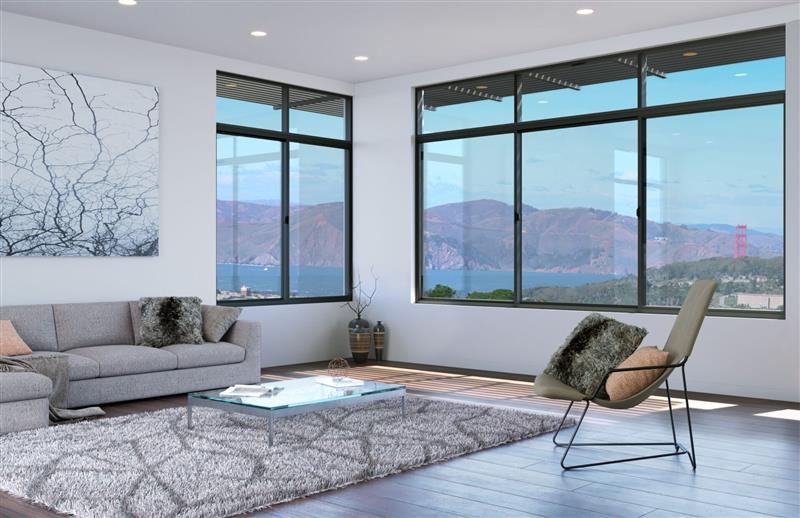
Large horizontal sliding windows have become a popular choice among homeowners who want improved ventilation, enhanced comfort, and a more modern living experience. Their wide frames and smooth sliding mechanism allow fresh air to flow easily while creating open, airy interiors. When paired with the right placement and materials, these windows transform indoor spaces into brighter and healthier environments. Understanding how these windows impact airflow, natural light, and overall home comfort helps you make an informed choice when choosing replacement windows for your home.
The design of horizontal sliding windows is built around practicality and performance. The horizontal sliding mechanism allows the sash to glide smoothly along a track, creating wide openings that maximize airflow. These wide openings work especially well in larger rooms or open floor plans because they help air move freely from one side of the space to the other. Whether you live in a warm climate that requires constant ventilation or a region with shifting seasonal temperatures, these windows help maintain a stable and comfortable indoor environment.
What Are Large Horizontal Sliding Windows?
Large horizontal sliding windows feature two or more sashes that move side to side within the frame. One sash may remain fixed while the other slides along a horizontal track. This simple yet effective design allows for effortless operation and improved airflow. These windows are often larger than traditional sliding windows, which is why they are an excellent choice for living rooms, dining rooms, and spacious areas that benefit from abundant natural light.
The use of clear high-transparency glass allows homeowners to enjoy expansive outdoor views while allowing maximum sunlight to enter the home. This contributes to a well-lit interior and reduces the need for artificial lighting during the day. Large sliding windows also complement contemporary architectural styles where clean lines, minimalist profiles, and unobstructed views are highly valued.
Improved Ventilation for Everyday Comfort
One of the main advantages of horizontal sliding windows is their ability to improve ventilation. Their wide openings allow more fresh air to enter a room compared to other styles like casement windows or double-hung windows. Because they slide fully open without requiring additional exterior space, these windows are efficient in rooms overlooking patios, walkways, or narrow exterior areas.
Ventilation plays a major role in maintaining air quality. Without proper airflow, indoor air pollutants such as smoke, chemicals, accumulated dust, and stale odors can build up inside the home. Horizontal sliding windows make it easier to flush these pollutants out by creating a consistent flow of fresh outdoor air.
Cross Ventilation Becomes Easier
When installed opposite another window or opening, horizontal sliding windows help establish strong cross-ventilation. Cross ventilation occurs when fresh air enters from one side and pushes warm or stale air out from the other. This natural airflow helps regulate indoor humidity, reduce condensation on glass surfaces, and improve overall indoor comfort during warmer months.
Cross-ventilation works best when the windows are positioned according to prevailing wind directions. For example, a home located near the coast may experience stronger airflows from one direction, while a home in a valley might receive natural breezes from another. By placing large sliding windows in key locations, homeowners can take advantage of these natural wind patterns to improve airflow throughout the home.
Better Control of Indoor Humidity
Humidity levels can rise quickly indoors due to cooking, showering, or seasonal weather conditions. When humidity remains high for long periods, it can affect comfort and lead to mold, dampness, and musty smells. Horizontal sliding windows release trapped moisture more efficiently because they open widely and allow humid air to escape easily.
Proper ventilation is especially important in open floor plans, where large spaces need steady airflow to stay comfortable. Large sliding windows help keep these environments balanced by encouraging ventilation across larger areas rather than confining airflow to one corner of the room.
A Boost in Indoor Comfort and Freshness
Comfort inside the home is influenced by airflow, temperature regulation, and natural light. horizontal sliding windows contribute to all three. Their smooth-gliding sashes allow you to decide how wide you want the window to open depending on the outdoor weather. During cooler mornings, opening the window halfway can bring in a gentle breeze, while warmer afternoons may require a wider opening to maintain indoor comfort.
Natural light also plays an important role in enhancing the atmosphere inside your home. The broad expanse of clear high-transparency glass provides maximum daylight, creating a brighter interior that feels open and welcoming. Well-lit rooms naturally feel larger and reduce the need for artificial lighting, contributing to energy efficiency.
Enhanced Indoor Air Quality
Indoor air quality often declines without proper ventilation. Indoor activities such as cooking, cleaning, or even breathing release particles that can remain trapped in enclosed spaces. Large sliding windows allow these particles to escape efficiently while bringing in cleaner air from outdoors.
Better airflow also reduces the concentration of indoor air pollutants that can affect respiratory comfort, especially in homes with young children or elderly residents. The ability to quickly ventilate a room makes these windows especially useful in kitchens, living rooms, and bedrooms where airflow is essential.
Creating Healthier Living Spaces
Ventilation does more than cool a room. It improves air circulation, enhances freshness, and helps keep the home feeling comfortable through changing seasons. Large sliding windows support this process by offering wider openings than most other window types. This makes them an excellent choice for homeowners who want healthier living conditions without relying entirely on mechanical ventilation systems.
How Large Sliding Windows Compare to Other Window Styles
Although casement windows and double-hung windows provide good airflow, horizontal sliding windows offer a different set of advantages depending on the room and the home’s layout. Each window type has its own strengths, but sliding windows excel in certain situations.
Casement Windows vs. Sliding Windows
Casement windows open outward with a crank mechanism. They catch breezes effectively, but they require exterior clearance, which is not always practical. In contrast, horizontal sliding windows open along an interior track, making them ideal for tight exterior spaces.
Sliding windows also tend to provide wider openings than casement windows, allowing more air to circulate. Their simple design also requires less hardware, resulting in smoother operation and minimal maintenance.
Double-Hung Windows vs. Sliding Windows
Double-hung windows open vertically, offering good control over airflow. However, their openings are usually smaller than those of horizontal sliding windows. This difference becomes noticeable when trying to ventilate large rooms or open floor plans. Sliding windows offer a larger clear opening, allowing more fresh air to enter at once.
While both styles work well for ventilation, sliding windows outperform in areas where maximum airflow and wide views are priorities.
Energy Efficiency and Thermal Comfort
Energy efficiency matters to most homeowners because it affects indoor comfort and long-term utility costs. Horizontal sliding windows help support energy efficiencies when they are constructed with insulated frames and clear high-transparency glass that blocks heat transfer. When installed correctly, they reduce reliance on heating and cooling systems, especially during mild seasons when natural ventilation can maintain comfortable temperatures.
Ventilation and natural light also play a major role in reducing energy use. When a home is well-lit and well-ventilated, homeowners do not need to rely as heavily on artificial lighting or air-conditioning. This balance improves indoor comfort while lowering energy consumption.
Also explore The Benefits of Installing Energy-Efficient Windows for Better Insulation here.
Placement Matters: Using Wind Patterns to Your Advantage
To maximize ventilation and comfort, large horizontal sliding window should be placed where they can support natural air circulation. Understanding prevailing wind directions in your area can guide the best installation points.
Windows facing the direction of incoming breezes can introduce fresh air effectively. When paired with windows on the opposite side of the room, they create cross-ventilation that keeps the entire space cool and comfortable. Proper placement also helps remove indoor contaminants and reduce stagnant air pockets in corners.
Large Sliding Windows in Modern Home Design
Large sliding windows complement the open floor plans seen in many modern homes. Wide, unbroken glass panels help visually expand interior spaces while providing a seamless connection between indoor and outdoor areas. In homes that prioritize natural light, sliding windows act as both functional ventilation sources and design elements.
The horizontal sliding mechanism also supports accessibility because these windows are easy to operate. They require little effort to open and close, making them ideal for homeowners who prefer simple and user-friendly controls. This ease of use also makes sliding windows a popular option for replacement windows during renovations or remodels.
Conclusion
Large horizontal sliding windows continue to be a preferred choice for homeowners because they provide wide openings for better ventilation and abundant natural light that brightens every room. Their simple design contains fewer moving parts, which makes them easier to maintain and ideal for long-term use.
These windows also complement a variety of architectural styles. Their sleek, contemporary appearance works beautifully in modern homes, while their clean lines blend effortlessly into more traditional spaces seeking a fresh update. Whether you are renovating, replacing older frames, or designing a new home, horizontal sliding windows offer a reliable combination of comfort, beauty, and performance that elevates the overall living experience.
At FMD Distributor, you can explore high-quality vinyl sliding windows designed to enhance ventilation, improve comfort, and deliver long-lasting performance. Contact us today to learn more or get expert guidance on choosing the right replacement windows for your home.
FAQs
1. Are sliding windows good for ventilation?
Yes, sliding windows are excellent for ventilation because they open wide and allow steady airflow across rooms. Their large openings help remove warm, stale air and bring in fresh outdoor air to maintain indoor comfort.
2.What is the size of a horizontal sliding window?
Horizontal sliding windows come in various sizes, but large versions typically measure between 48 to 96 inches wide. Custom sizes are also available depending on home design and ventilation n
3. Are sliding windows energy efficient?
Yes, sliding windows can be energy efficient when built with insulated frames and clear high-transparency glass. They help maintain temperature balance while allowing natural ventilation that reduces reliance on air-conditioning.
4. Which windows work best for ventilating large areas?
Sliding windows are often best for ventilating large areas because they allow maximum airflow. When placed opposite another window, they support cross-ventilation that helps cool large rooms and improve indoor air quality naturally.
5. What is a window that slides horizontally called?
A window that slides horizontally is simply called a horizontal sliding window. When designed in larger dimensions, it is often referred to as a large horizontal sliding window due to its wider frame and bigger glass panels.


